



Can I Give My Dog or Cat More Than One Supplement? An Australian Pet Parent’s Guide
Already adding omega oil to dinner and wondering whether a probiotic or multivitamin belongs in the bowl too? For Australian dog and cat parents, the useful question is not how many supplements you can add. It is what your individual pet actually needs.
More is not automatically better. Before combining products, look at the whole diet, compare labels and ask your veterinarian whether the combination is appropriate.
Start with what is already in the bowl
Write down your pet’s usual food, treats, toppers, supplements and any medicines. Include the amounts you actually give, not just the serving suggested on the pack. Take photos of the ingredient lists and feeding instructions so your vet can review everything together.
When shopping in Australia, check whether the food is labelled as a complete diet for your pet’s species and life stage, or as complementary food. A topper or supplement is not a substitute for an appropriately balanced diet. If you prepare meals at home, ask your vet for help with formulation rather than assuming a general multivitamin makes the recipe complete.
Understand the job of each product
Different categories can have different purposes, but that does not mean every pet needs one of each.
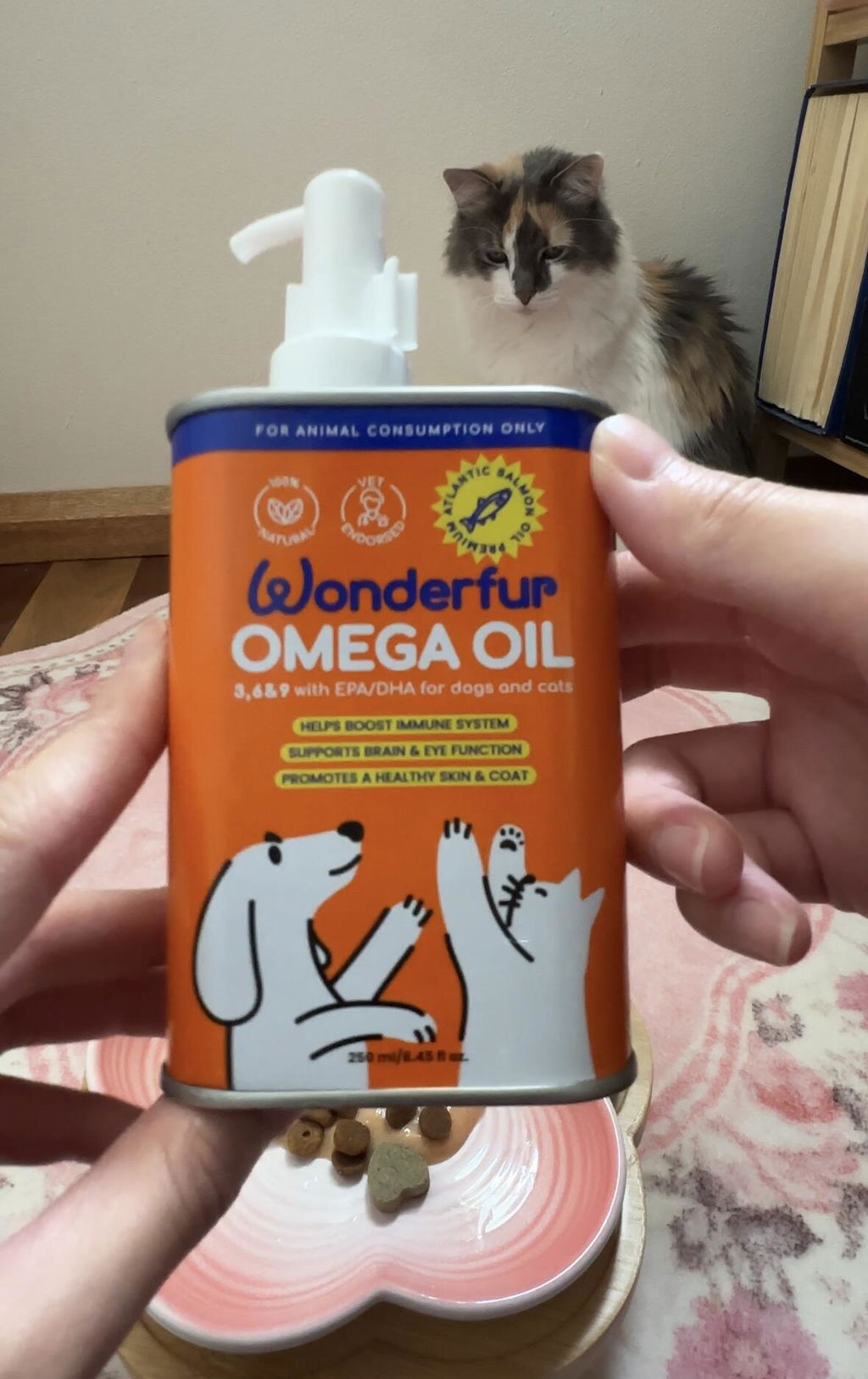
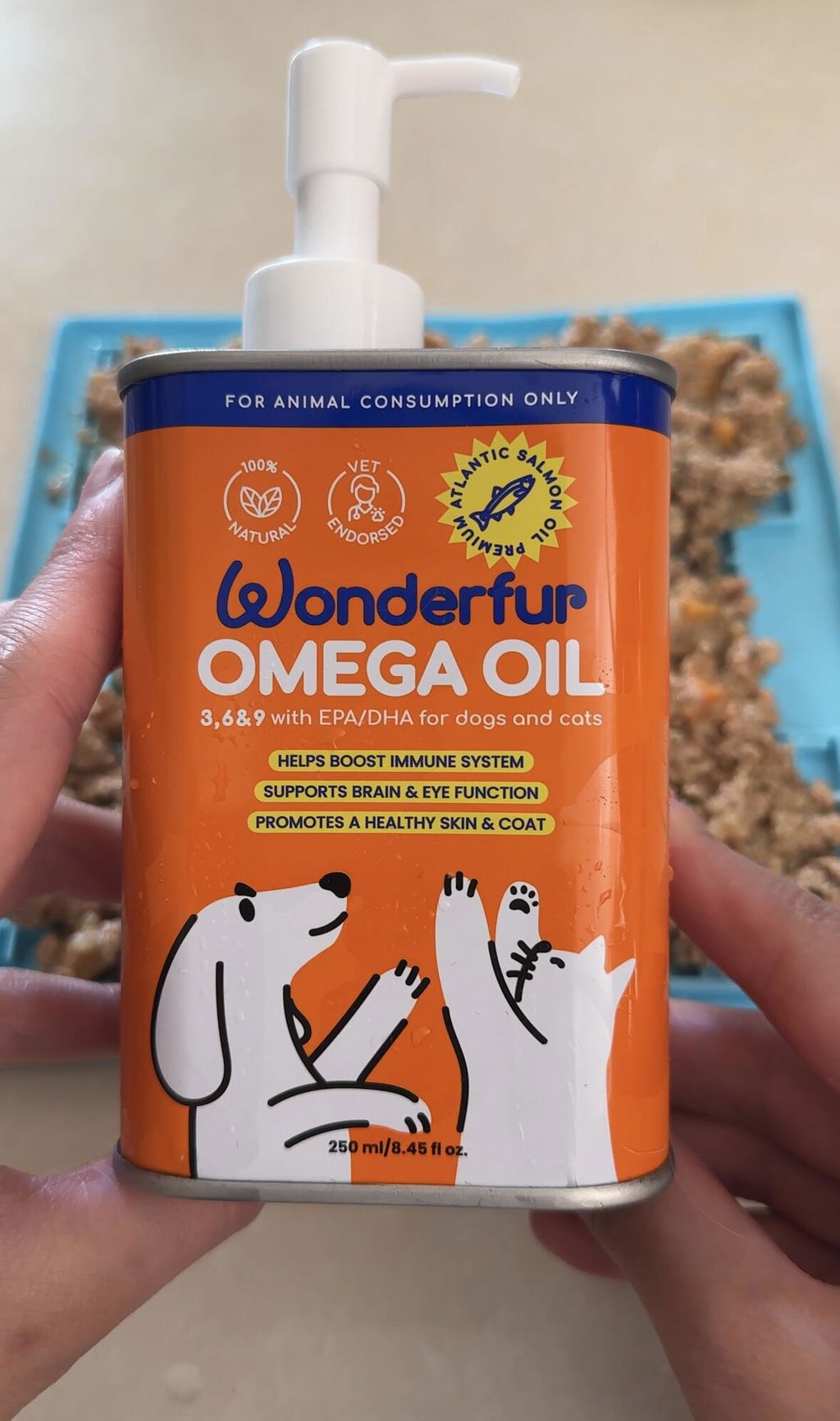
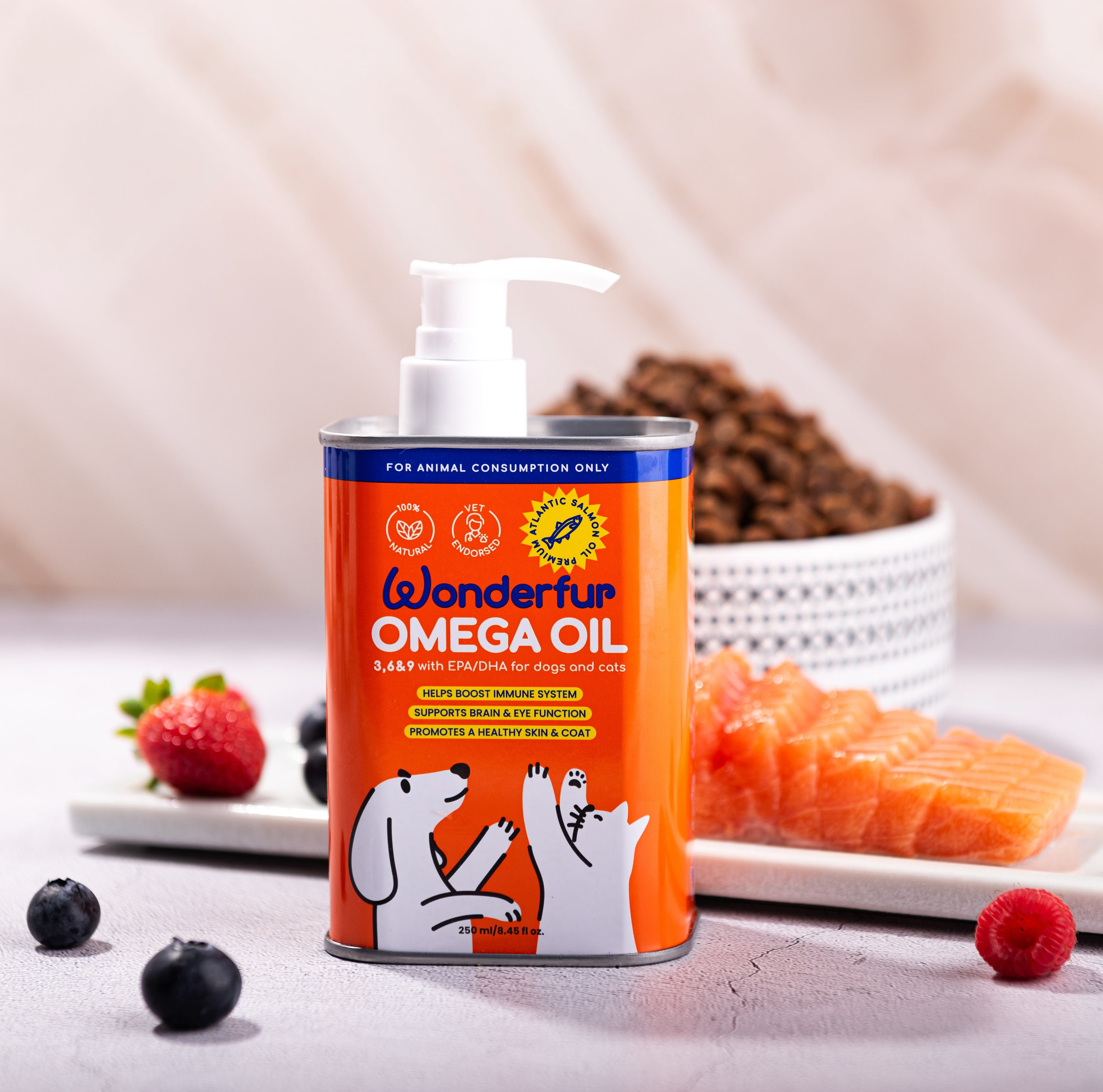
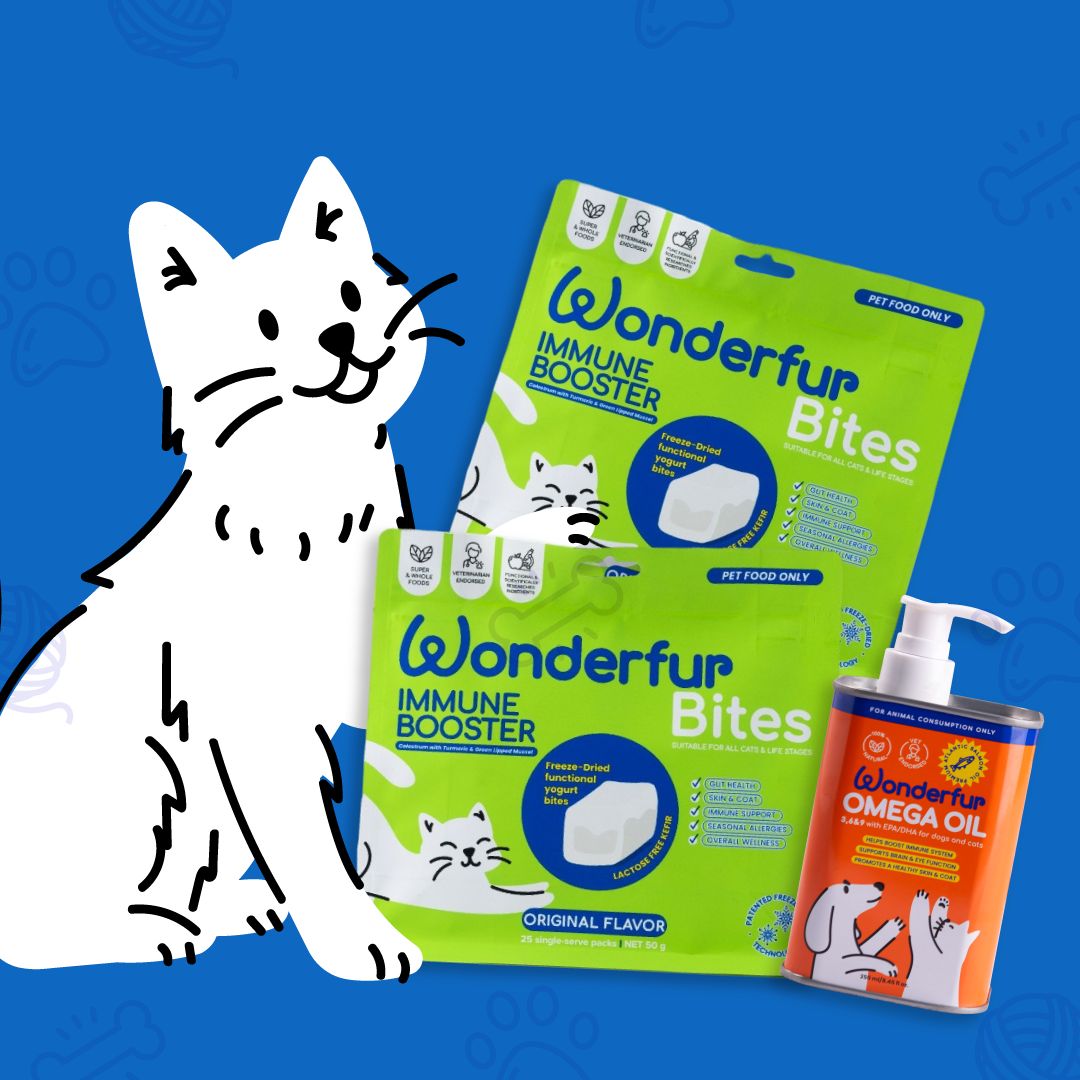
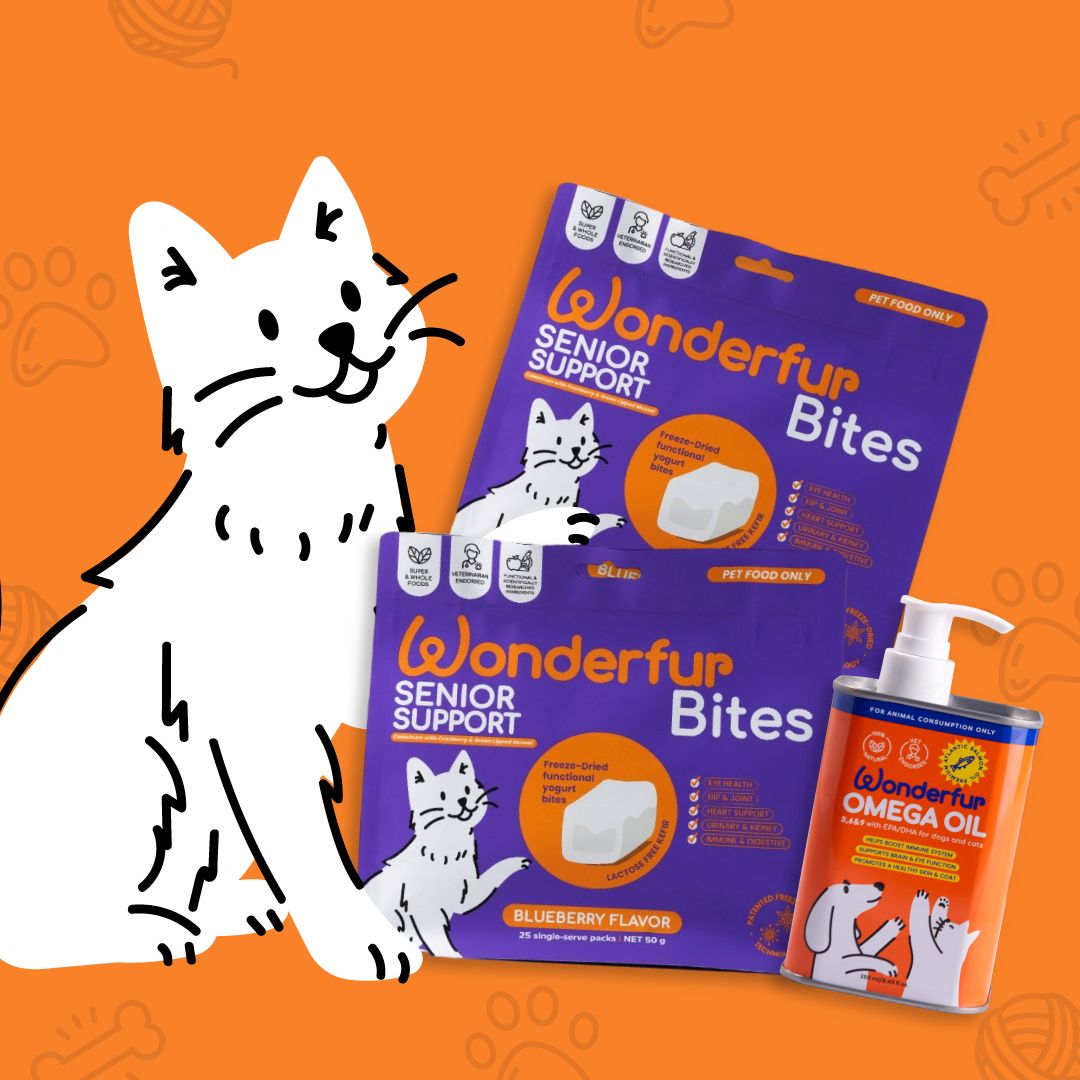
- Omega oil: If you are discussing a fatty-acid supplement with your vet, Wonderfur Super Omega Oil for Dogs & Cats is a salmon-oil option. Check your pet’s existing food and other supplements before adding another oil. This guide is about choosing a routine, not calculating an oil dose.
- Prebiotics and probiotics: Wonderfur Prebiotics & Probiotics for dogs and cats contains probiotic strains and prebiotic fibre. Ask your vet whether this type of product is relevant to your pet rather than using it to explain away ongoing digestive symptoms.
- Multivitamins: Before adding Wonderfur Daily Multivitamin for dogs and cats, review the vitamins and minerals already supplied by food and other products. A multivitamin should address an identified need, not automatically accompany every meal.
Check for overlap before combining
Compare the full ingredient lists, not just the names on the front. Two products sold for different goals may still contain overlapping ingredients. Bring both labels to your vet and ask: “Does my pet need both, and does anything in their food or medicine change that?”
This is particularly important if your pet follows a prescribed diet, takes medication, has a diagnosed condition, or is pregnant, growing or elderly. Do not assume a dog’s routine is suitable for a cat, even when some products are labelled for both.
Keep the routine simple and observable
If your vet recommends a new supplement, agree on how to introduce it and what you should monitor. Avoid changing the food and adding several products at the same time: it makes changes in appetite, stools or comfort harder to interpret.
Keep a short note of the product, amount, start date and any changes you notice. Follow the product’s storage instructions, including during Australian summer heat and travel. Store supplements securely away from pets.
When to speak to your vet instead of adding another scoop
Persistent digestive changes, reduced appetite or a change in your pet’s usual behaviour deserve veterinary advice, not a bigger supplement stack. If your pet becomes unwell after a new product, contact your vet and have the packaging and amount given ready. Seek urgent care if your pet appears seriously unwell or you suspect an overdose.
The best next step is simple: photograph your current food and supplement labels, choose the question you want answered, and review the routine with your vet. A smaller, well-considered routine is a better goal than a crowded bowl.
Veterinary disclaimer
This article provides general educational information only and is not individual veterinary advice, diagnosis or treatment. Consult your registered veterinarian before introducing or combining supplements, changing a prescribed diet or adjusting medication. Follow product labels and your veterinarian’s directions. Supplements do not replace a complete and balanced diet or veterinary care. This article and disclaimer have not been represented as veterinarian-reviewed or veterinarian-approved.