






How Much Exercise Does a Dog Need? A Guide for Australian Pet Parents
Dogs need daily exercise, but there is no single time target for every dog. Some breeds need one to two hours a day, and working breeds may need more. Your dog's age, health, fitness and enjoyment should determine the duration and intensity. Most dogs benefit from one or two daily walks, alongside suitable play and mental stimulation. (PDSA exercise guidance)
Some dogs hear “walkies” and sprint to the door. Others would like to finish their nap first. The challenge is finding a routine that suits the dog in front of you, including what happens when you get home and fill their bowl.
Why daily walks matter
Walking gives dogs a chance to move their joints, use their muscles and explore beyond the backyard. It also creates time together that belongs entirely to you and your dog. Regular activity can support weight management and help relieve boredom. (VCA Animal Hospitals)
A useful question to ask is: “What did my dog get out of this outing?” Distance is only part of the answer. A familiar route can become more interesting when you make time for a sniff stop or practise a few rewarding skills along the way.
Dog exercise needs at a glance
Use this guide to choose the kind of activity to discuss with your vet. It is not a fixed exercise prescription.
| Dog or life stage | A suitable approach | What to adjust |
|---|---|---|
| Puppy | Short walks, play and brief training sessions | Growing joints, tiredness and plenty of rest |
| Healthy adult | Daily walks with a mix of play and exploration | Breed, fitness, preferences and the day's conditions |
| Active working breed | More activity plus tasks that engage their brain | Build fitness gradually; include recovery time |
| Senior dog | Gentle, regular outings at a comfortable pace | Mobility, stamina and existing health conditions |
| Flat-faced dog | Carefully paced activity in suitable conditions | Breathing effort, heat and humidity |
How much exercise does a puppy need?
Puppies need opportunities to play, explore and learn while their bones and joints develop. Short, enjoyable sessions with rest in between are a better starting point than an adult dog's exercise schedule.
The popular “five minutes per month of age” rule is not a scientifically established limit. PDSA advises considering the individual puppy's age, size and breed instead. Avoid taking a growing puppy on sustained runs or encouraging repeated high-impact jumping. Ask your vet when local walks are appropriate for your puppy's vaccination status and disease risk. (PDSA puppy exercise guidance)
Their enthusiasm can be enormous even when their body is still very small. Make space for naps in the plan.
How much exercise does a senior dog need?
Older dogs often benefit from shorter, more frequent walks rather than a single long outing. Allow a comfortable pace, rest stops and time to sniff. Gentle activity can help keep their muscles and joints moving.
If your dog starts struggling to get around or loses interest in walks, book a vet appointment rather than assuming it is simply old age. Their exercise plan may need adjusting, and pain or another health issue may need attention. Indoor scent games can provide enjoyable activity when an outdoor walk is unsuitable. (PDSA senior dog guidance)
Build a routine that fits your dog and your day
For a healthy adult dog, think about where movement can fit reliably into your schedule. Start from what they already manage comfortably and increase activity gradually. A shorter outing before work and another later may be more practical than trying to fit everything into one session. (VCA walking advice)
Try this planning checklist:
-
Before you leave: Choose a route, pace and turnaround point that suit today's dog and weather.
-
During the outing: Leave time for exploration instead of making every walk a race to get home.
-
Back at home: Note what they enjoyed and anything that looked uncomfortable.
-
For tomorrow: Repeat what worked and adjust what did not.
A simple phone note can help you remember the route, activity and any changes to discuss with your vet. You are building a routine you can sustain together.
Exercising your dog safely in Australian weather
Plan walks for cooler conditions and avoid hot surfaces, including pavement and sand. Take water and allow shade and rest breaks. Early morning or evening may be more suitable, but the actual conditions matter more than the clock. (RSPCA walking advice)
Flat-faced dogs, older dogs and overweight dogs can be particularly vulnerable to overheating. Watch for persistent heavy panting, drooling, weakness or confusion. Suspected heatstroke is an emergency: stop activity, start cooling with cool water and airflow, and seek veterinary help immediately. (RSPCA heatstroke guidance)
On an unsuitable day, change the plan. An indoor game can wait for a cooler opportunity to head outside.
From walkies to the food bowl
Your dog's exercise routine and nutrition belong in the same conversation. Start with a complete and balanced diet appropriate for their life stage, and include treats, toppers and oils when considering their total food intake. Extra activity does not automatically mean they need extra vitamins or a bigger dinner. (AAHA nutrition guidance)
If you are discussing joint support with your vet, omega-3 fatty acids are worth asking about. AAHA's pain-management guidance identifies evidence for omega-3s in dogs with osteoarthritis. That evidence concerns nutritional approaches and specific studies; it does not establish that every fish oil or dose will produce the same result. (AAHA pain-management guidance)
Where Wonderfur Super Omega Oil fits
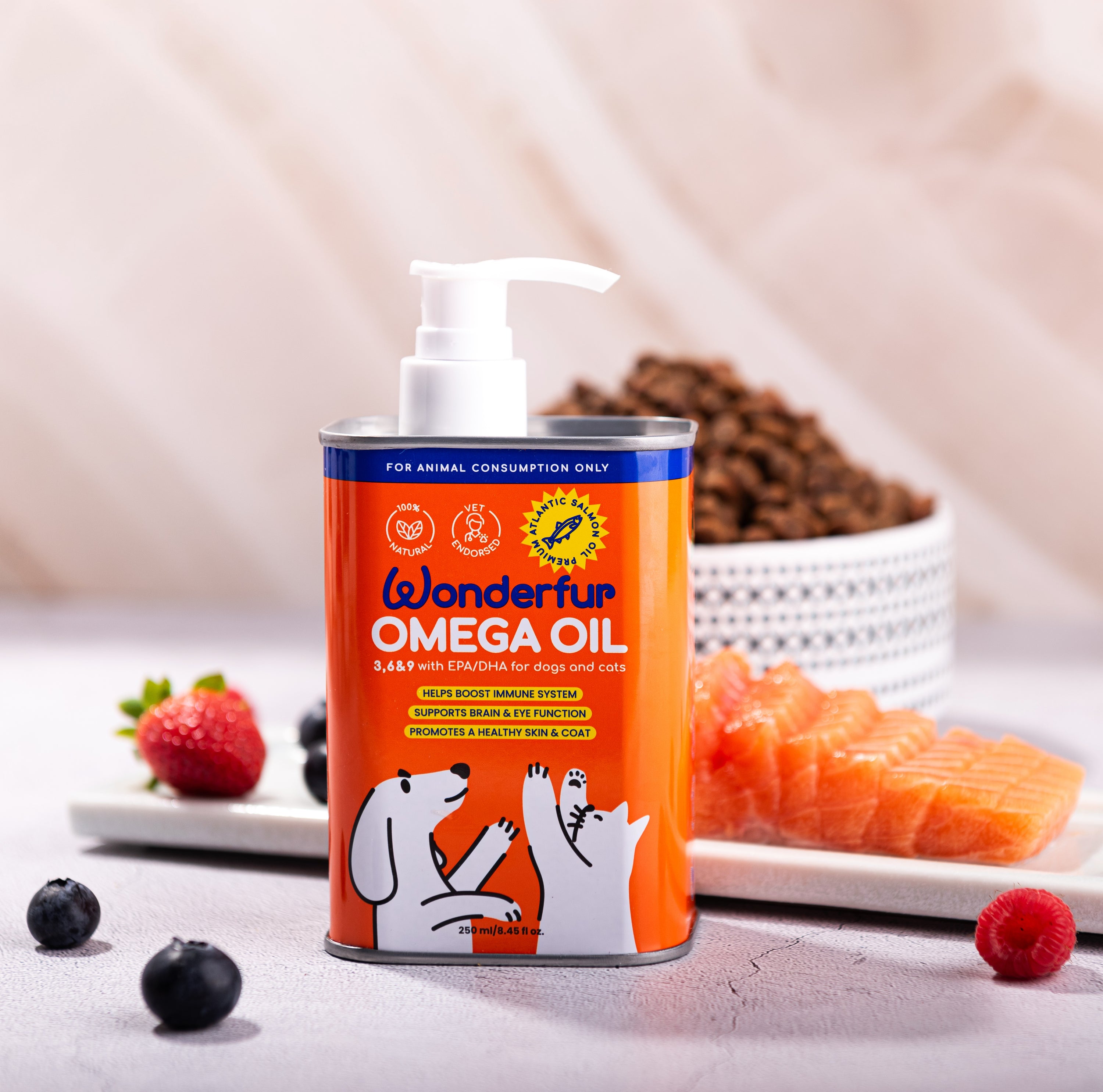
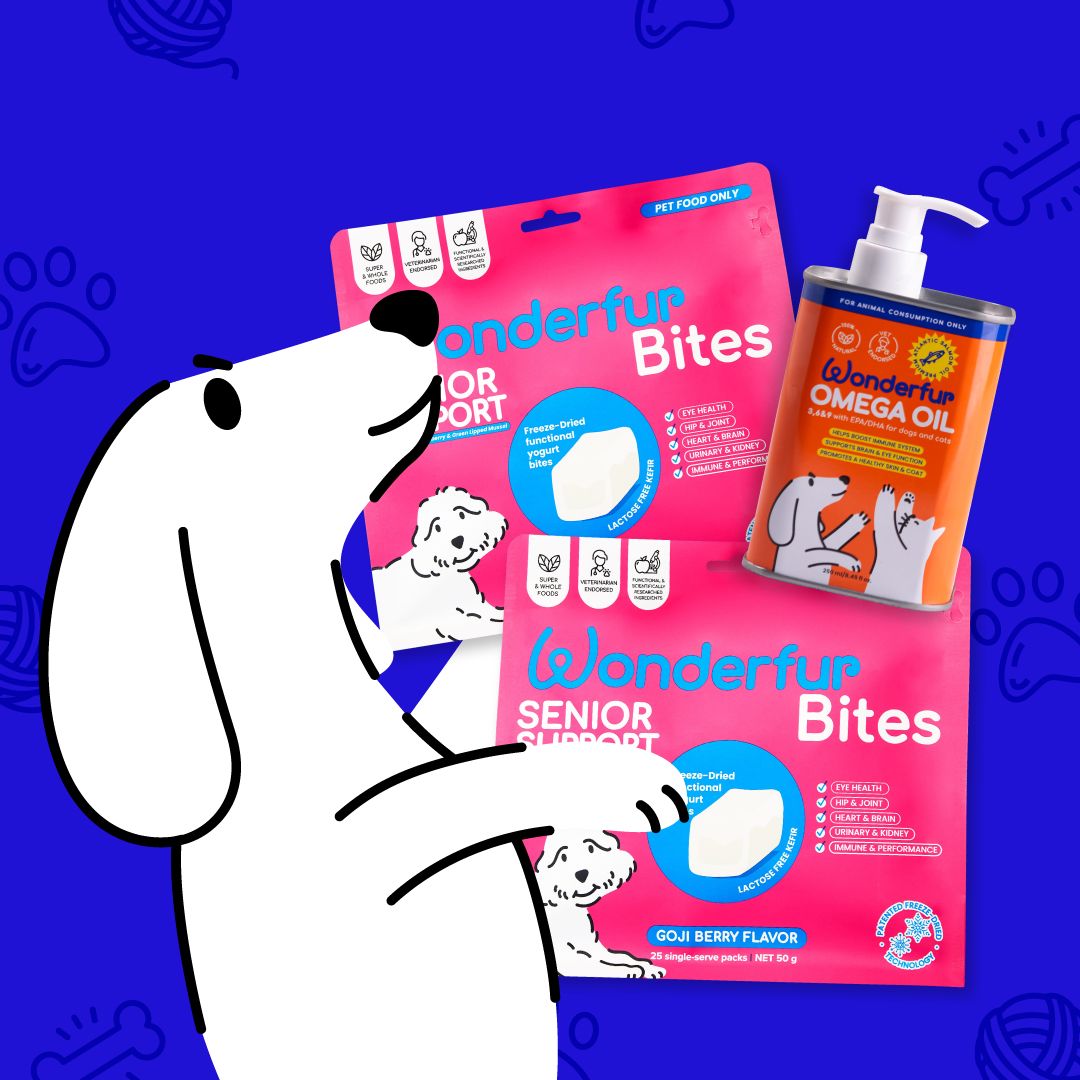
Wonderfur Super Omega Oil for Dogs & Cats is a salmon-oil food topper containing marine omega-3s, including EPA and DHA. Made with 99.95% Tasmanian Atlantic salmon oil and 0.05% antioxidant, it comes in 250mL and 750mL sizes and is designed to support everyday wellbeing, including skin, coat and joint health.
If added omega-3s are appropriate for your dog, this is an easy way to include them in meals. Follow the current label's serving guide and introduce it gradually. For a dog with a medical condition or an existing supplement routine, check suitability with your vet first. A supplement does not replace assessment or treatment for pain, limping or reduced mobility.
Explore Wonderfur Super Omega Oil
Frequently asked questions
Is a 30-minute walk enough for a dog?
It may be one part of a dog's daily activity, but it is not enough for every dog. Some breeds need one to two hours or more. Consider the whole day and your individual dog's needs. (PDSA)
Does time in the backyard replace a walk?
Usually not. Walks offer changing surroundings, smells and shared activity that a familiar backyard may not provide. Use the yard as another opportunity for play and interaction. (VCA Animal Hospitals)
Should I keep walking my older dog?
Usually yes, with activity adapted to their comfort and health. Gentle, regular movement is often useful. Ask your vet about any new stiffness, reluctance or mobility changes. (PDSA)
Do active dogs need supplements?
Not automatically. Their overall diet and individual needs come first. Ask your vet whether a targeted addition, such as omega-3s, would be useful alongside their existing food. (AAHA)
At Wonderfur, we love a routine that leaves room for the things dogs enjoy: an interesting outing, a familiar bowl and time with their favourite person. Find the pace that suits yours.