

How to Brush Your Dog‘s Teeth (Without Losing a Finger)
Let me be real with you for a second. When I first adopted my rescue pup, I had this Hallmark movie vision of our life together. We’d go on scenic walks, cuddle during thunderstorms, and I’d patiently brush his teeth every night while he gazed at me with loving, grateful eyes.
Reality? The first time I pulled out a toothbrush, he looked at me like I was trying to feed him broccoli. Which, for a dog, is apparently a hate crime.
But here‘s the thing the internet doesn't tell you: nearly two-thirds of dog owners don't provide the dental care vets recommend . And by the time dogs turn three, most already have some form of dental disease. Three years old. That’s basically a teenager with rotten teeth.
So if you’ve been avoiding this because wrestling your dog while trying to stick a brush in his mouth sounds like a reality TV show nobody asked for—I get it. But stick with me. I’ve done the research, made the mistakes, and found a system that actually works.
First, let‘s talk about why you should care
Bad breath isn't just bad breath. That "doggy breath" we all laugh about? It’s usually the first sign that something’s going wrong in there.
Here’s what happens: plaque builds up, hardens into tartar, irritates the gums, and eventually—if left unchecked—can lead to tooth loss. But it gets scarier. The bacteria from dental disease don’t just stay in the mouth. They can travel to the heart, lungs, and kidneys.
So yeah, brushing your dog’s teeth isn’t just about fresh kisses. It’s about giving them more healthy years.
The good news? Daily brushing is the gold standard . And no, you don’t have to be perfect. Even a few times a week makes a massive difference.
What you’ll actually need (Skip the human stuff)
Before we get into the step-by-step, let‘s talk tools. Because using your own toothpaste? That’s how you end up at the emergency vet.
Toothbrush options:
You’ve got choices here. Finger brushes are great for starting out—they’re less intimidating and give you more control . If you go with a standard dog toothbrush, look for soft bristles and an angled head to reach those back teeth . Whatever you pick, make sure it's sized for your dog. A Great Dane needs something bigger than a Chihuahua.
Toothpaste is non-negotiable:
Here’s the rule: never use human toothpaste. Never. Human toothpaste contains fluoride, detergents, and often xylitol—an artificial sweetener that’s toxic to dogs .
Dog toothpaste comes in flavors they actually like. Poultry, vanilla-mint, peanut butter—yes, they make their toothpaste taste better than ours. Look for enzymatic formulas; they help break down plaque chemically while the brush does the physical work .
Can you use coconut oil?
Technically yes. Coconut oil has some antimicrobial properties . But it’s high in calories and doesn’t contain the enzymes that actual dog toothpaste has. Think of it as a backup, not the main event.
Baking soda?
Use sparingly if at all. It‘s abrasive and can damage enamel over time . Plus, if your dog swallows too much, it can upset their stomach. Stick to proper dog toothpaste.
What if your dog absolutely refuses?
I’ll be honest: some dogs never learn to love brushing. Maybe you adopted a senior who’s set in their ways. Maybe your dog has trauma around mouth handling. It happens.
If you’ve tried the slow approach and you’re still getting growls or full-body retreats under the bed, you have options.
Dental treats actually work
High-quality dental treats can reduce plaque buildup by up to 70% . They work through mechanical action—the chewing and texture scrape teeth clean—and sometimes through ingredients that support oral health.
This is where I have to give a shoutout to something I genuinely use in my own home.
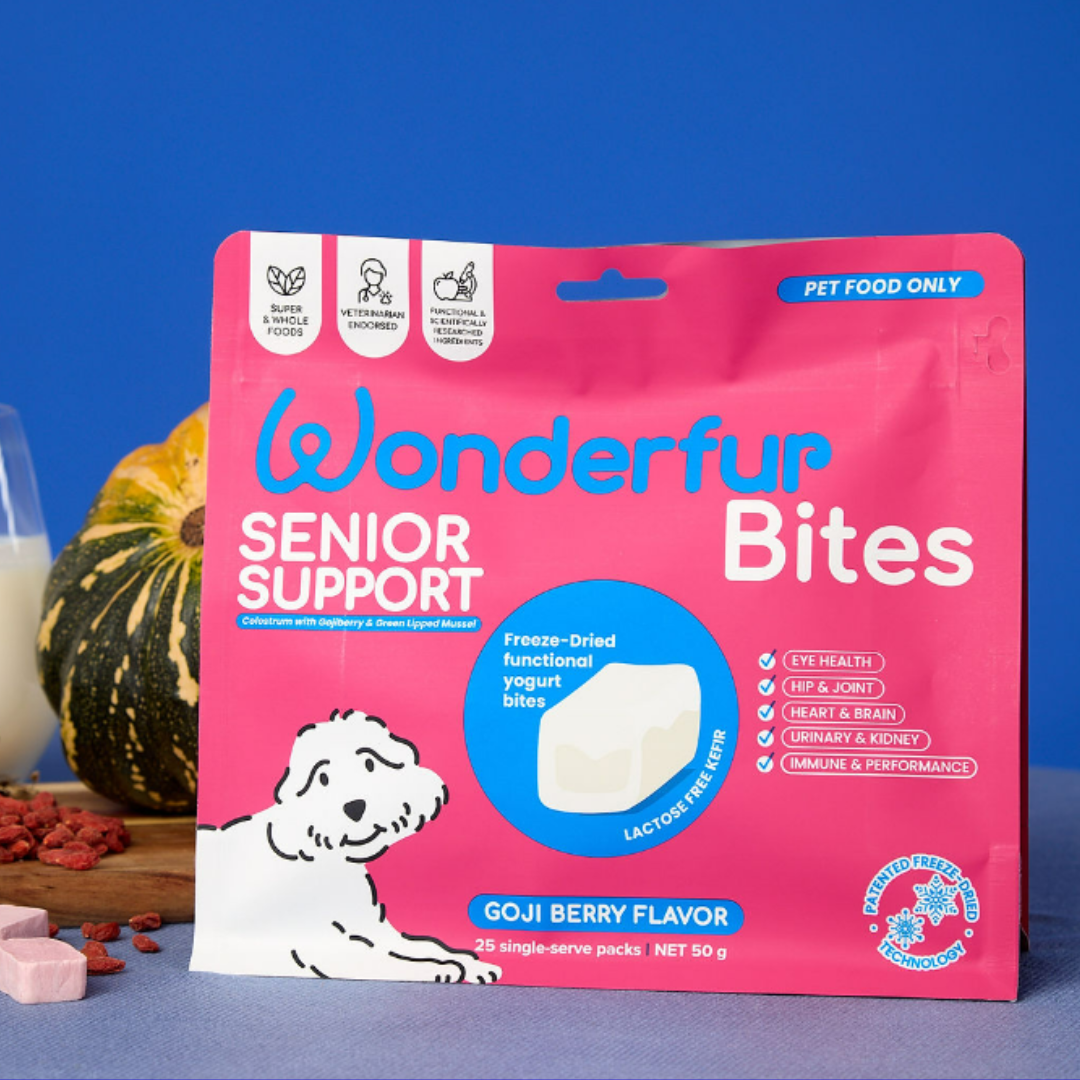
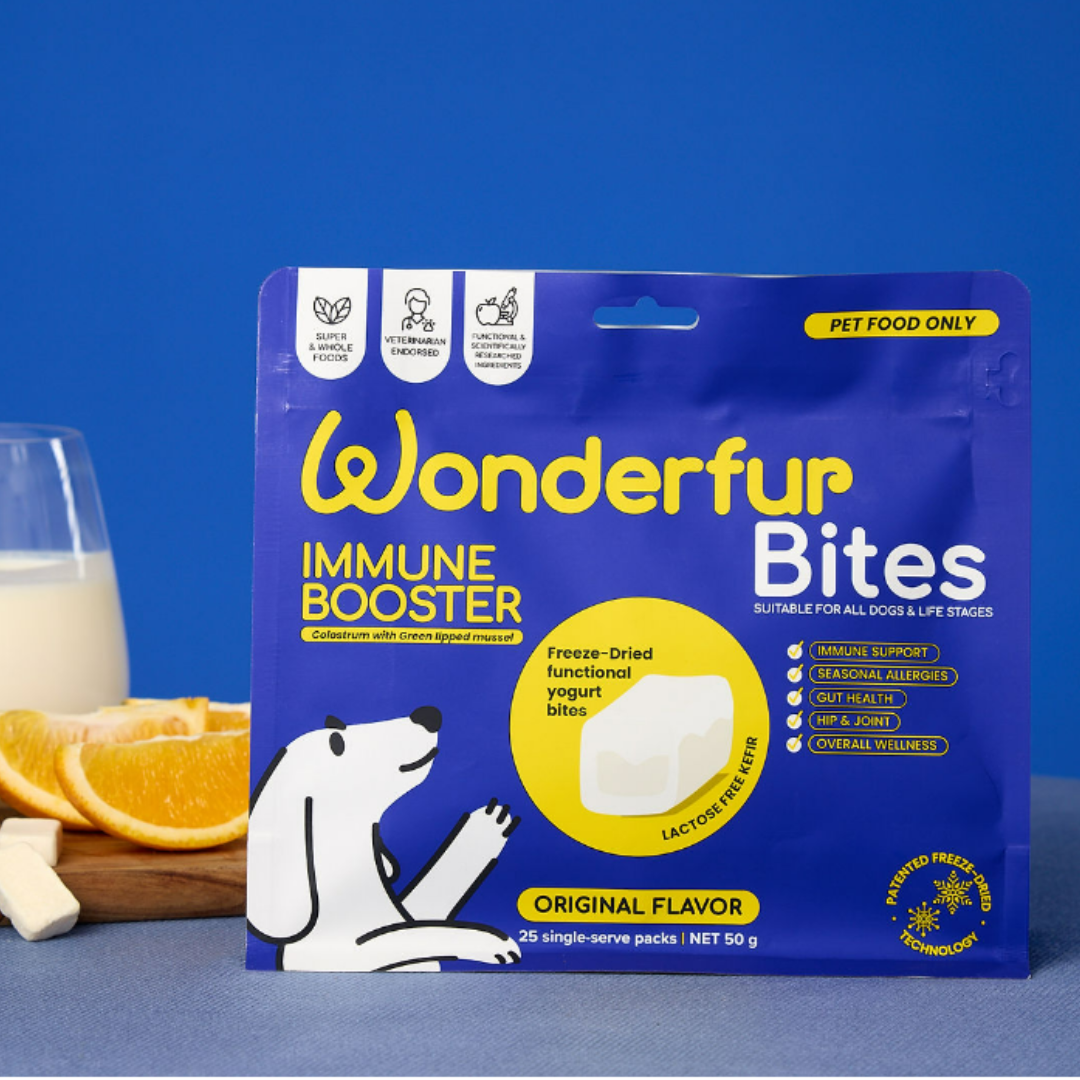
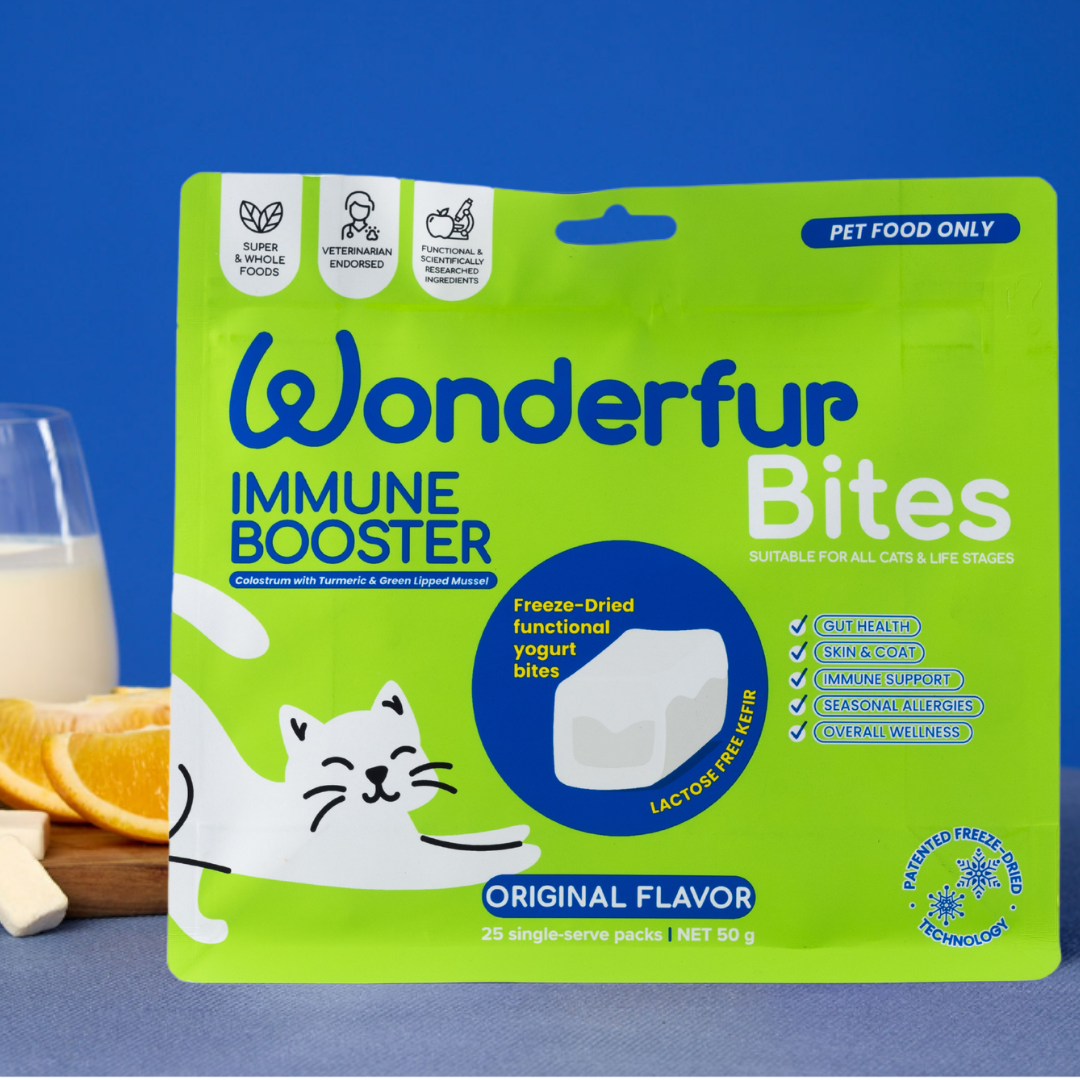
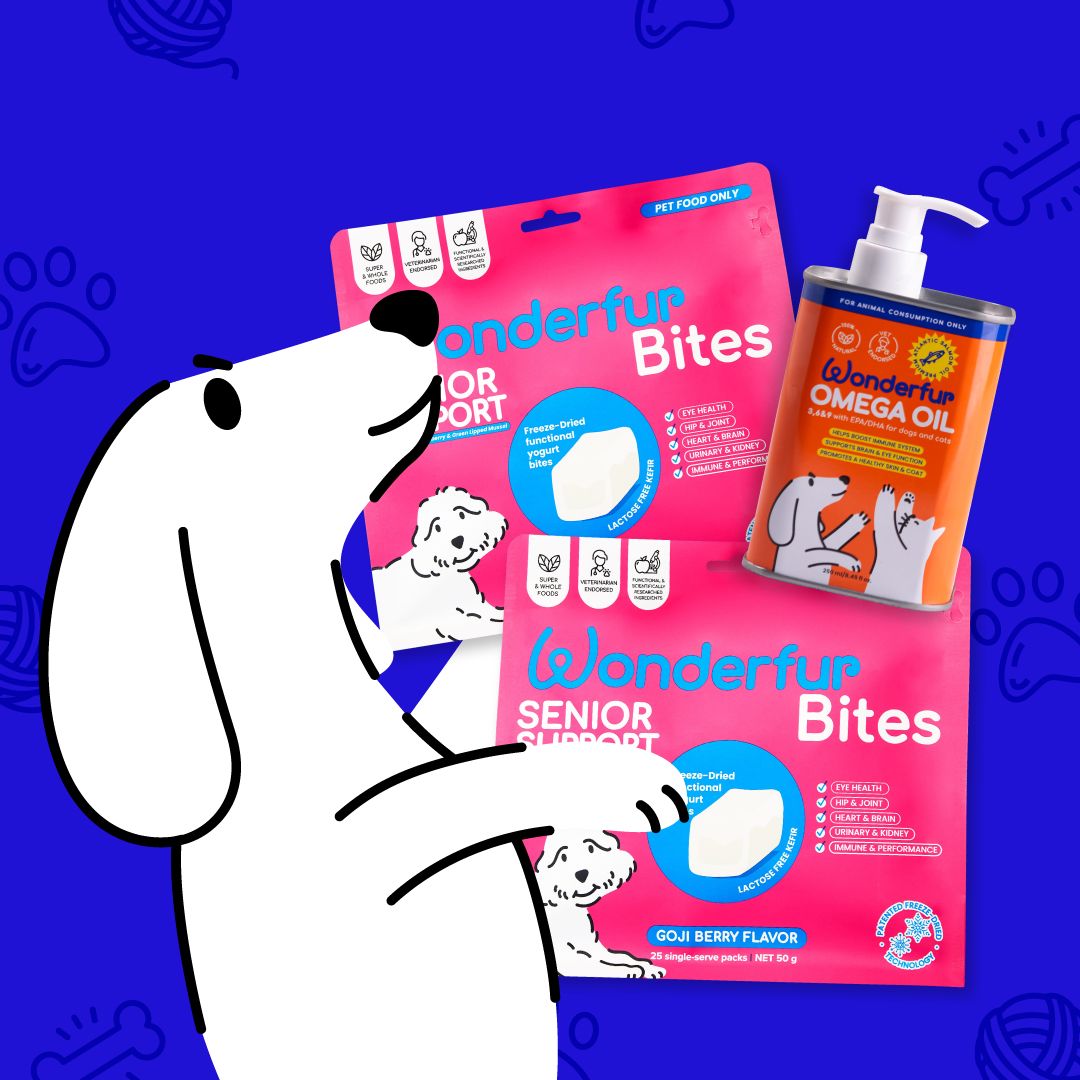
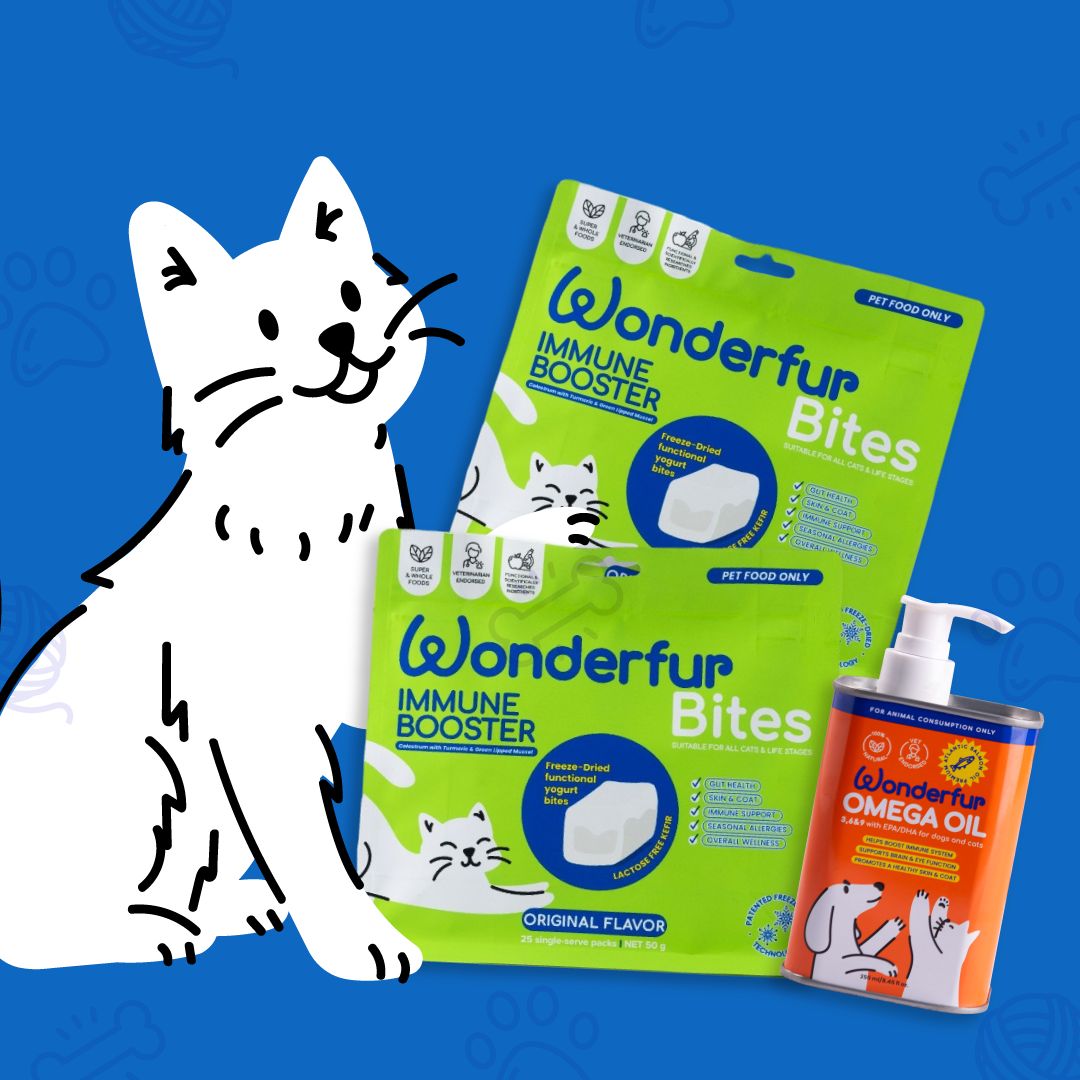
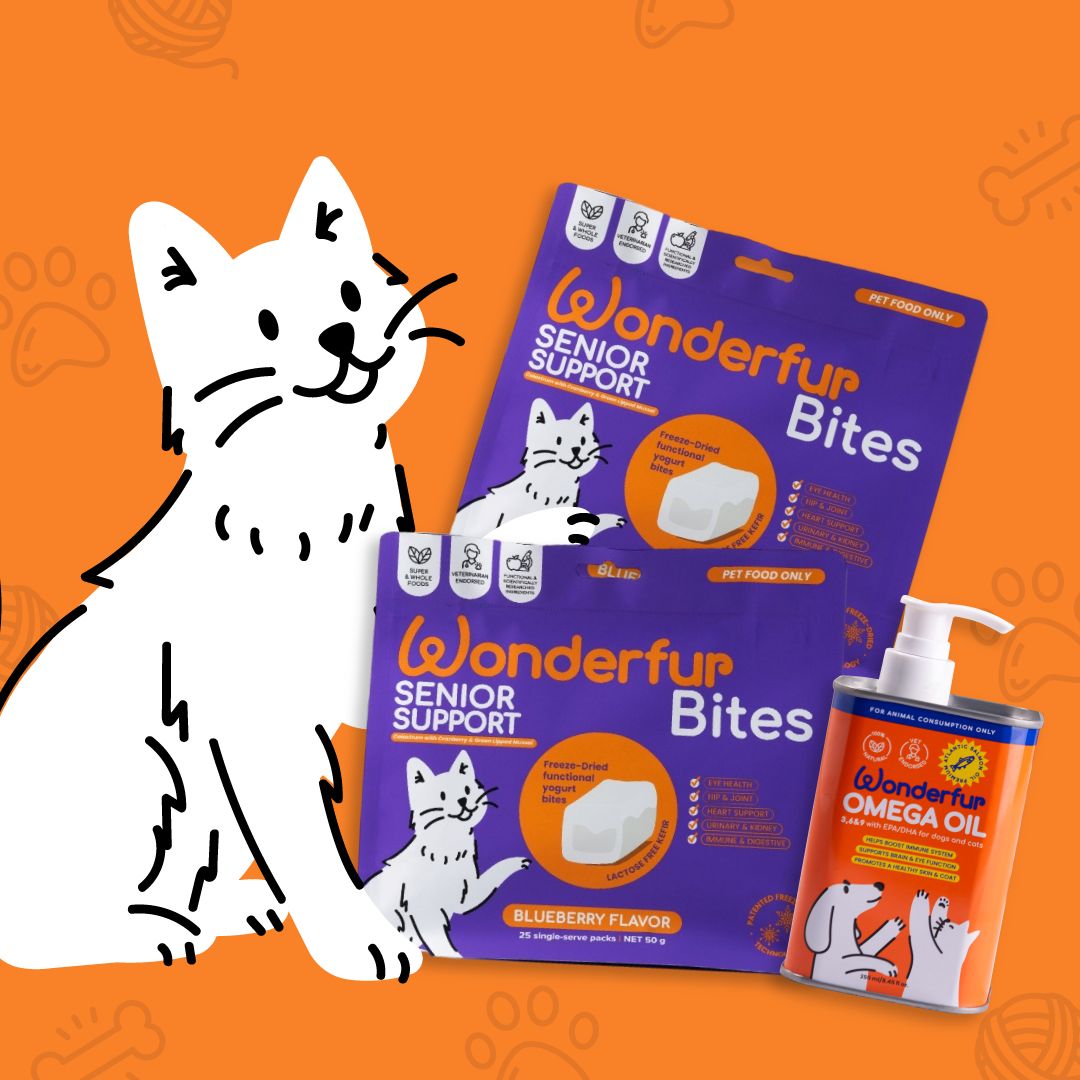
At Wonderfur, we didn’t set out to make dental treats specifically. But here’s what we noticed: customers kept telling us their dogs had better breath and cleaner teeth after eating our Freeze-Dried Yogurt Bites.
And because they’re low-calorie and made with real Australian ingredients, you can feel good about giving them daily.
The honest truth about frequency
If you can brush daily? Amazing. You‘re in the top tier of dog parents.
But life happens. Maybe you travel, maybe you’re exhausted, maybe your dog decided today is “fight the toothbrush” day. Two to three times a week is the minimum to make a difference .
And if you miss a week? Forgive yourself and start again. Dogs live in the moment. They don‘t hold grudges about yesterday’s missed brushing. They just care about today‘s treats and today’s love.
The bottom line
Brushing your dog’s teeth is weird and awkward and sometimes feels impossible. But it’s also one of the most tangible ways to add years to their life.
Start slow. Use the right tools. Celebrate tiny victories.
And on the days when brushing just isn’t happening? Reach for a high-quality treat that does some of the work for you. Your dog will thank you—maybe with slightly fresher breath.